
The Real Challenges Facing Farmers Today, and What Helps
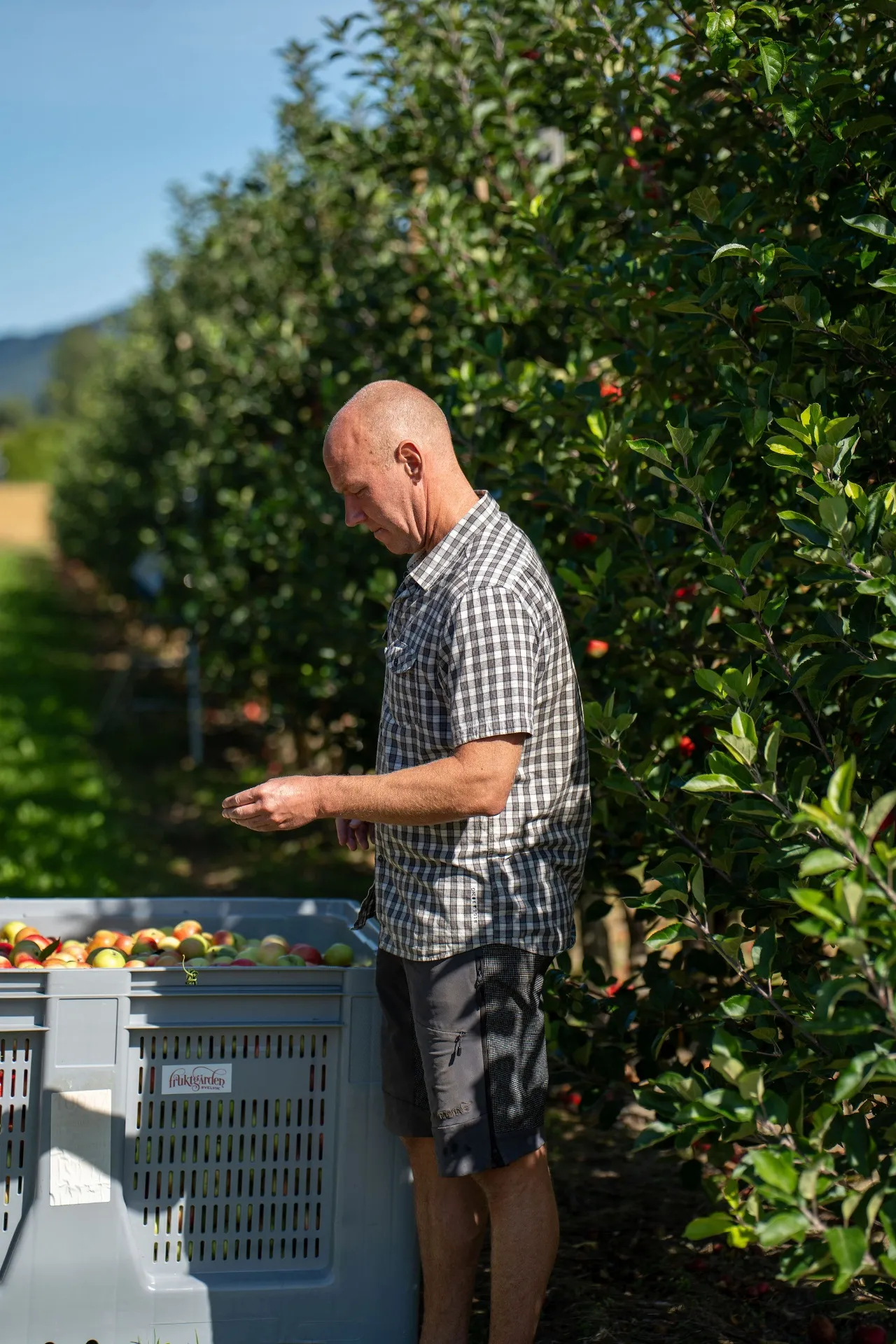
I have a confession. I'm not a farmer.
Before you stop reading, hear me out. When I joined Farmable, I arrived with the enthusiasm of someone who wanted to make a meaningful difference in agriculture. Two and a half years later, I've reached one firm conclusion: farming is genuinely, extraordinarily hard. Not in the "long hours" way that people say about demanding jobs. In a way that involves personal financial risk, physical labour, climate unpredictability, mounting regulation, and the kind of responsibility that doesn't switch off at the end of the day.
This is for the farmers, an honest account of what you're dealing with, and why the tools built to help you should be designed around your life, not the other way around.
It never really switches off
Many farmers live on the farm. If the farm fails, they lose the business and the home, often a property that's been in the family for generations. The seasons create natural rhythms, but they don't create separation. The question of whether the spring will bring frost, whether the harvest will meet last year's price, these aren't questions you leave at the office. They're the conditions of the life.
The structural challenges
Input costs
The cost of seeds, fertilisers, and fuel has risen significantly across most markets. When input costs climb and commodity prices stay low, the margin disappears. Unlike most businesses, farmers can't easily pass input cost increases to customers, particularly when selling into supply chains with fixed contract prices.
Labour
Labour shortages have affected agriculture across Europe and beyond, driven by urbanisation, changing immigration policies, and an ageing rural workforce. COVID made this visible in the most direct way: produce left unharvested because workers couldn't cross borders.
Access to financing
The farm itself serves as collateral for most agricultural borrowing. If a farming business fails, the family loses their home along with the business. The personal risk is disproportionate to the potential financial return for many operations.
Mental health
The isolation, financial pressure, and physical demands of farming create conditions for poor mental health that are well documented but not always well addressed. Resources exist, local support groups, rural counselling services, but awareness and accessibility vary significantly.
The external pressures
Market volatility
The price of fruit and vegetables can move significantly between planting and selling. Farmers absorb that risk without the hedging tools available in commodity markets for grain or livestock.
Climate change
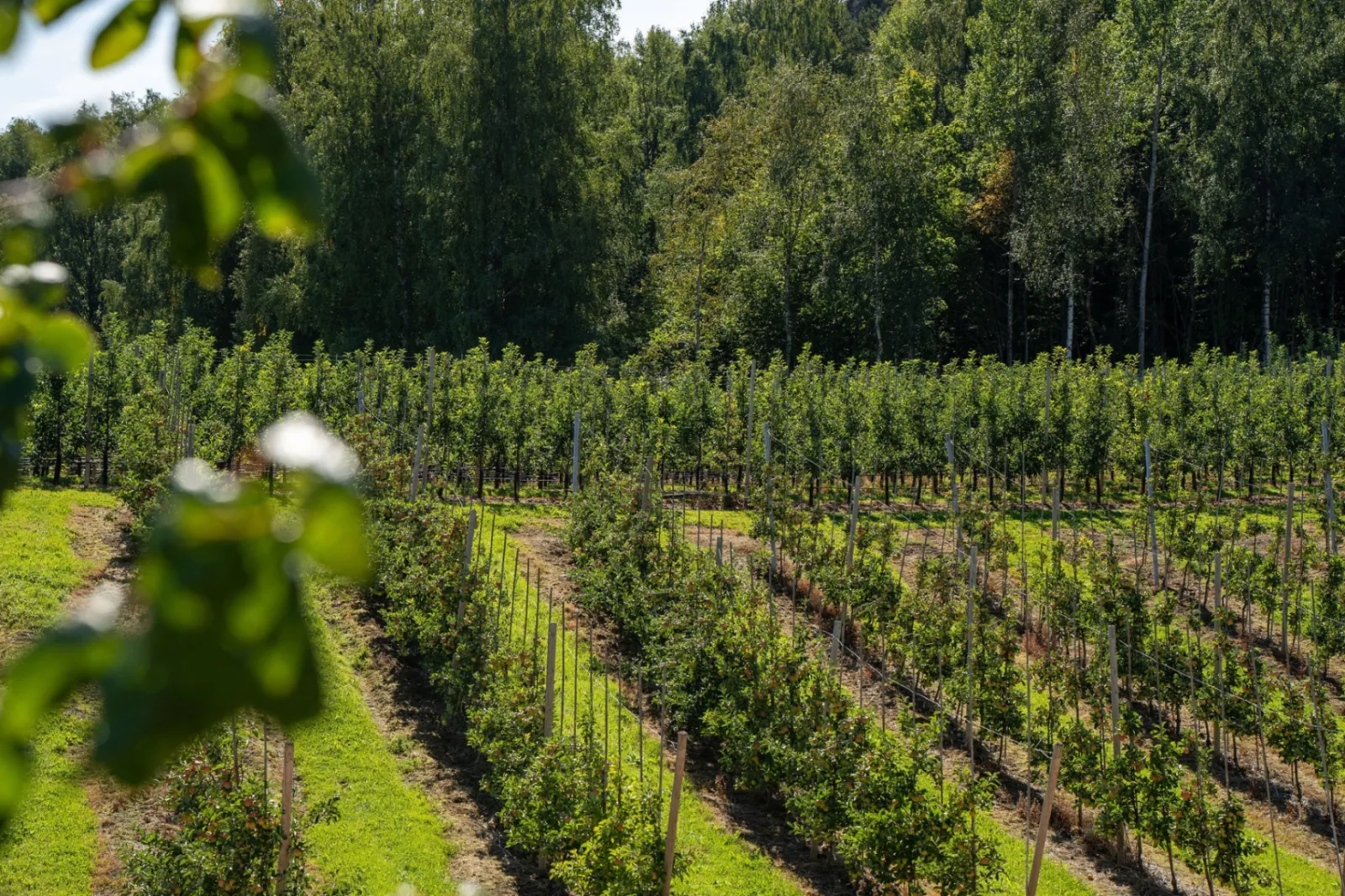
More frequent extreme weather events, prolonged dry periods, changed precipitation patterns, and rising temperatures are already affecting yields, crop quality, and pest and disease pressure in orchards and vineyards across Europe and beyond.
New regulations
EU mandatory digital spray records become law from 1 January 2027. IPM documentation requirements are being strengthened. Country-level reporting systems, SIEX in Spain and Mattilsynet in Norway, are already live. These regulations exist for good reasons. But they add administrative burden to an already stretched profession.
The technology gap
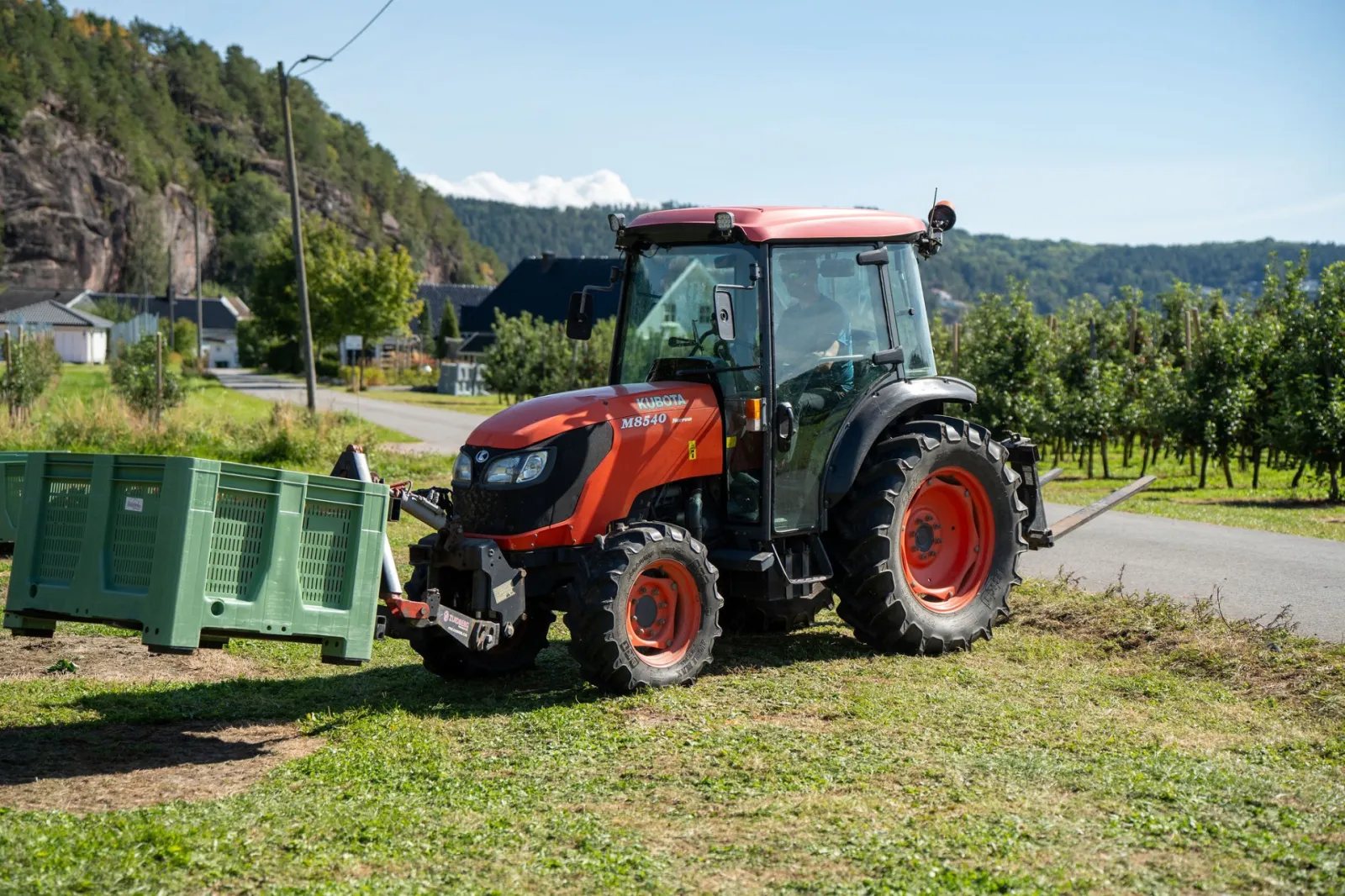
Most agricultural technology was designed for agronomists, consultants, or large enterprises, not for the family farm manager who needs to log a spray job between picking bins.
At Farmable, the design principle is that the farmer is the primary user, not a data entry clerk for someone else's system. Every feature is evaluated against one question: does this make the farmer's day easier, or harder?
What farmers can do now
Getting started with digital record-keeping before the 2027 EU mandatory date means the system is embedded in the farm's workflow before it becomes compulsory. The compliance burden at year-end becomes a report generation task, not a reconstruction exercise.
The farmers who will navigate the next five years with the least disruption are the ones who put simple, low-cost systems in place while they still have the time to learn them.
Frequently asked questions
What are the biggest challenges facing farmers today?
Rising input costs, labour shortages, limited access to financing, mental health pressure, market price volatility, climate change impacts, and increasing regulatory requirements for digital record-keeping and sustainability reporting. Most are structural and ongoing.
What percentage of the world's farms are family farms?
According to the FAO, smallholder farms, under 2 hectares, make up 84% of the world's 570 million farms. Family farms operate approximately 75% of the world's agricultural land and produce 80% of global food.
What new regulations are farmers facing in Europe?
EU mandatory digital record-keeping for plant protection products comes into force 1 January 2027. Country systems already live: SIEX (Spain) and Mattilsynet (Norway).
How can digital tools help farmers without adding more work?
Log once in the field, use the record everywhere it's needed. The measure is whether the tool takes less time than the paper it replaces, works offline, and produces outputs that go directly to auditors without reformatting.