
- Who: EU agricultural cooperatives and producer organisations that submit, manage, or advise on spray records for member farms
- What changes: Phone, SMS, email, and fax submissions are no longer enough, records must be electronic, geospatial, and authorised
- When: 1 January 2027, the deadline is set in Article 67 of Regulation (EC) 1107/2009
- Who is liable: The farm remains responsible for its own records, but cooperatives that submit on behalf of members carry data quality risk
- Best move now: Standardise on one digital tool across the membership and roll it out before the 2026 season
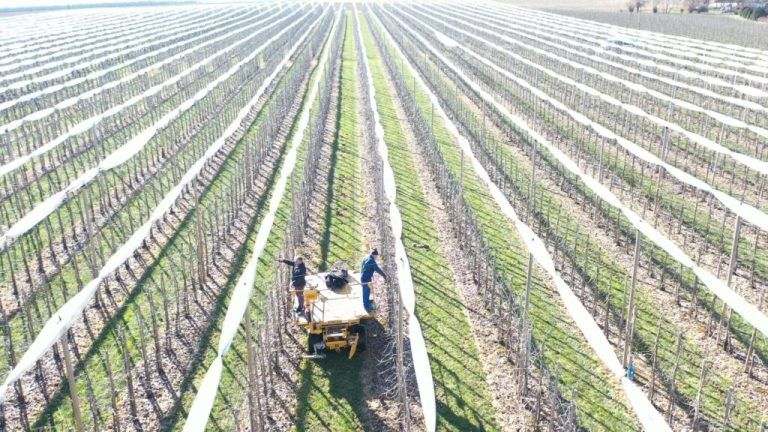
What the current process looks like, and why it won't work
In most cooperatives today, the compliance workflow looks something like this: a farm applies a pesticide, notes it on paper or in a spreadsheet, then calls or messages the cooperative at the end of the week (or the end of the season). The cooperative re-enters that data into its own system and submits compliance reports on the farm's behalf.
This process has worked informally for years. From 2027 it will be non-compliant on multiple counts:
- Records must be in electronic format within 30 days of each application, not at the end of the season
- Records must link to a specific geospatial field location, a farm phone call cannot provide this
- Records must be traceable, there must be an auditable chain from the field to the cooperative's submission
- If a cooperative submits data received by phone or SMS and re-enters it manually, who is responsible if that data is wrong?
The questions the new regulations force cooperatives to ask are uncomfortable but important:
- If a farm reports a spray by phone and the cooperative enters it, who is liable for the data being correct?
- What if the cooperative's agronomist disagrees with the product the farmer says they used?
- How can you establish a traceable decision timeline between an agronomist recommendation and a farm application, through a chain of SMS messages and phone calls?
- How do you capture digital authorisation for treatment approvals?
These are not hypothetical. They are the compliance questions that will be asked from 2027.
Three changes cooperatives must make
1. Move from receiving data to accessing data
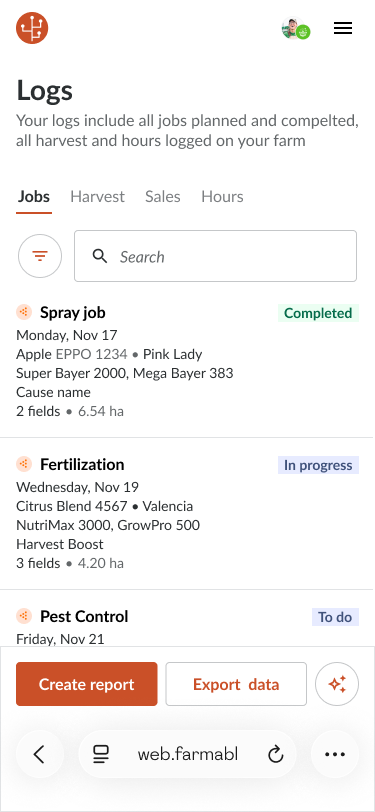
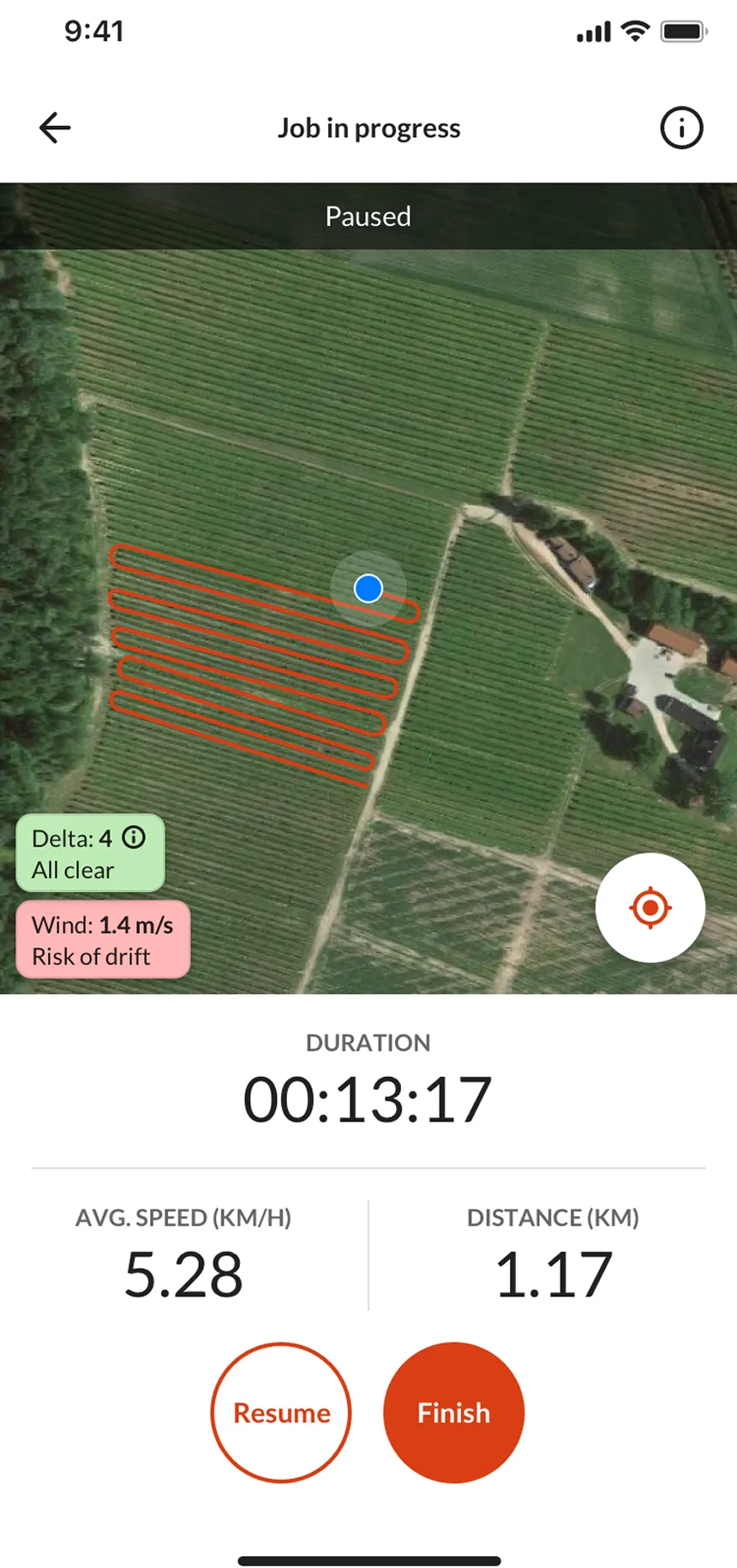
The fundamental shift required is from the farm sending data to the cooperative, to the cooperative having authorised access to farm data directly. This means farms logging their spray jobs digitally in real time, and the cooperative accessing those records directly, rather than waiting for a phone call or a quarterly spreadsheet.
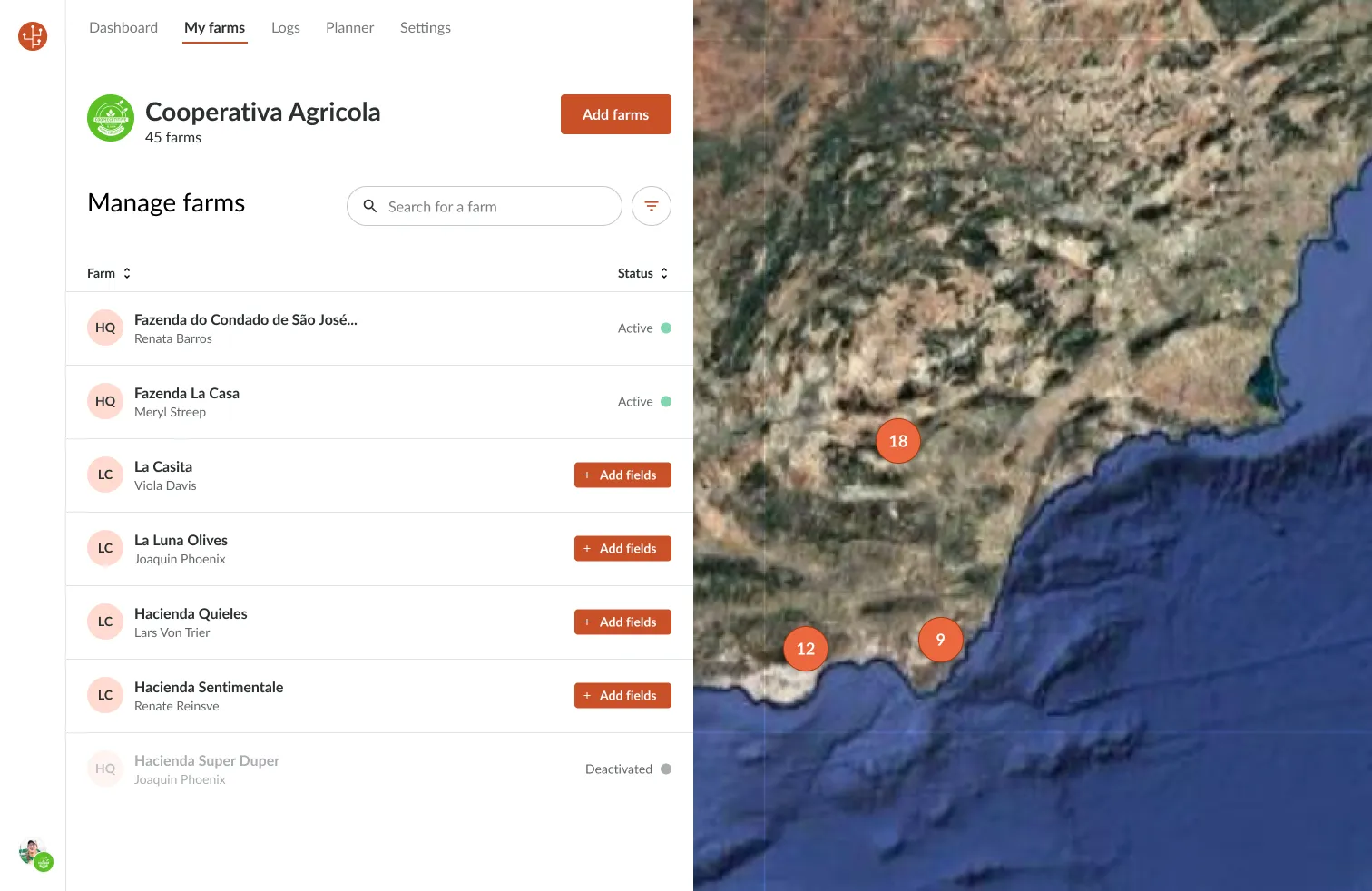
This is a significant change in workflow. But the upside is significant too. A cooperative with direct digital access to member farm data can monitor compliance continuously, flag issues before audits, and submit regulatory reports without chasing anyone for paperwork. Imagine the commercial advantage of a cooperative that can see consolidated production volumes, quality data, and compliance status across all member farms in one dashboard.
2. Establish digital approval workflows
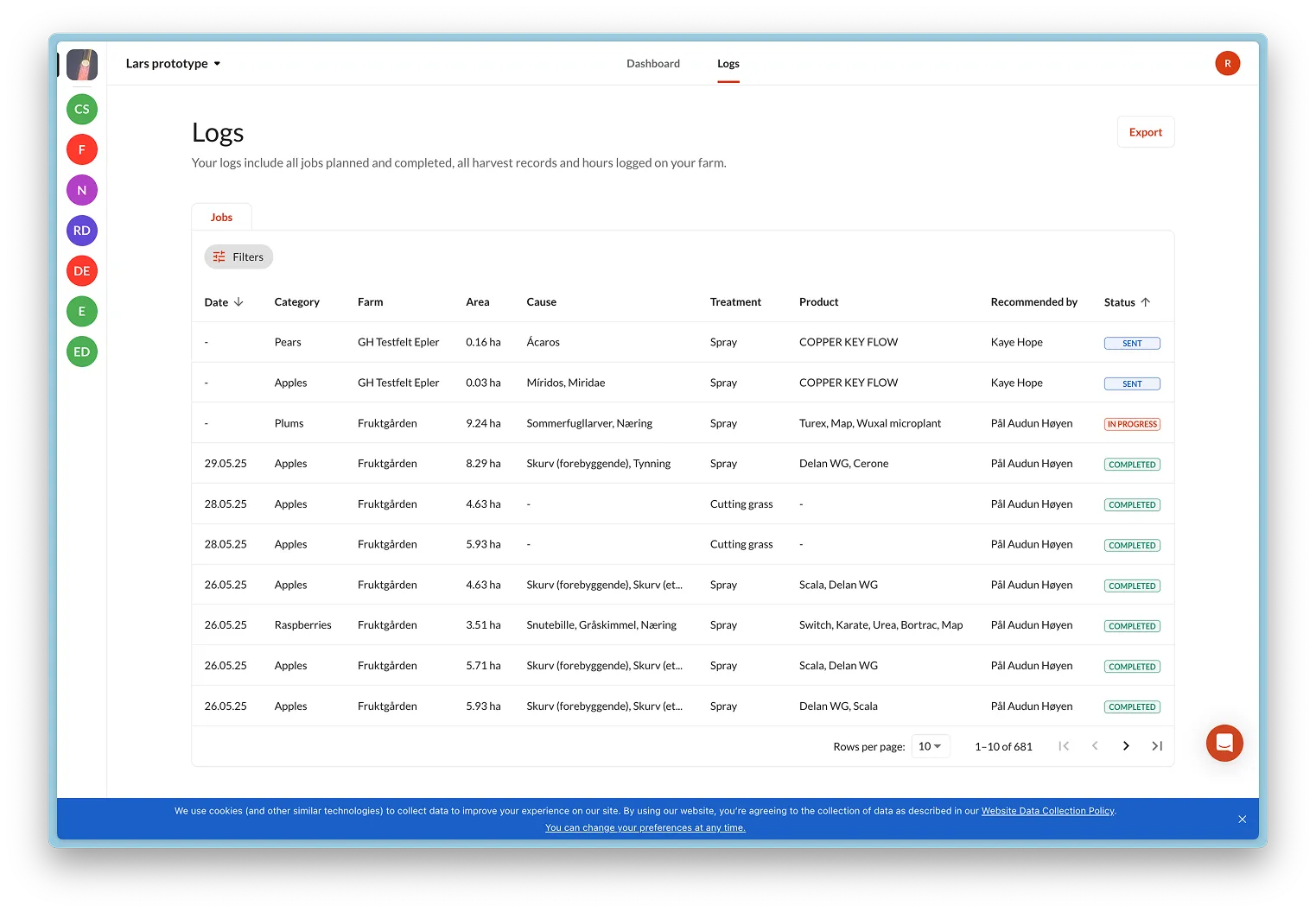
IPM obligations require that spray applications are made because they are necessary, not as calendar-based defaults. In practice, this means cooperatives that provide agronomy advice need a traceable workflow: the agronomist recommends a treatment, the recommendation is logged digitally, the farm executes and logs the job, and the cooperative can see both the recommendation and the outcome with timestamps.
A chain of WhatsApp messages cannot create this audit trail. A digital platform shared between the farm and the cooperative can.
3. Define responsibilities clearly
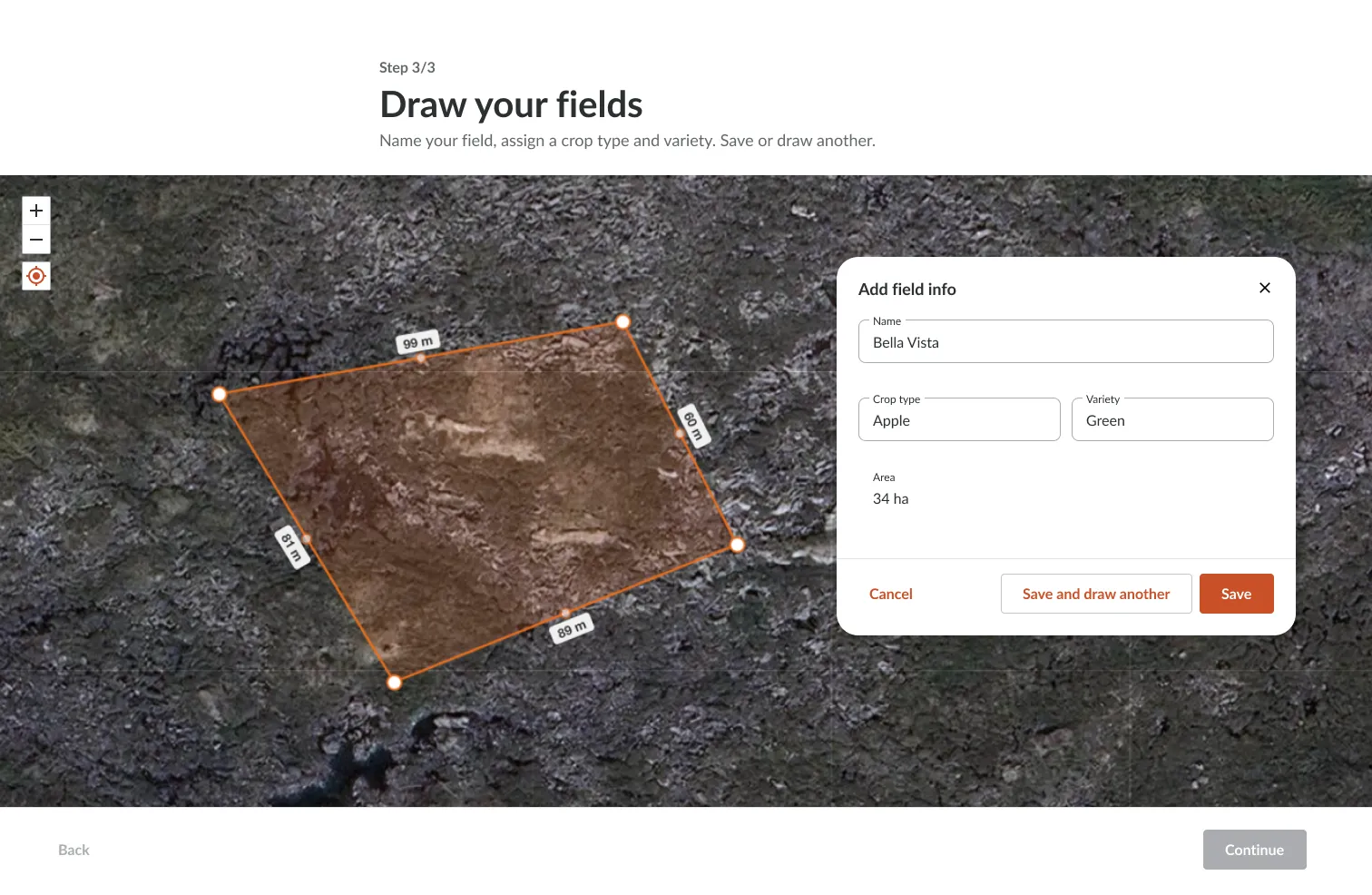
Cooperatives need to formally document their role in the compliance process. This means:
- What data quality standards do member farms need to meet?
- Does the cooperative provide agronomy advice? If so, how will those recommendations be recorded and linked to farm applications?
- Does the cooperative submit compliance reports on behalf of members? If so, on what basis, and what is the cooperative's liability if that data is incorrect?
- What happens when a farm submits data the cooperative cannot verify?
Establishing these answers now, before the 2027 deadline, prevents a compliance crisis at the worst possible moment.
The cooperative opportunity
There is a strong commercial case for cooperatives to lead this transition rather than wait for farms to find their own solutions.
- Buying power and market access. A cooperative with accurate, real-time production data across its membership can negotiate better prices, respond faster to buyer requirements, and demonstrate verified compliance to export markets and retail chains. This is only possible if that data flows digitally from the farm to the cooperative.
- Reduced administrative burden. The manual process of chasing spray records, re-entering data, and reconstructing compliance submissions is expensive. A shared digital platform eliminates this, records go from the field to the compliance report without manual re-entry.
- Member retention. Cooperatives that support their members through the 2027 transition will strengthen the relationship. Cooperatives that leave members to figure it out alone risk those members finding other support networks.
- Standardisation. A cooperative that recommends, or requires, a specific digital tool across its membership creates a consistent data standard. Inconsistent data across 50 farms is an auditing nightmare. Consistent data across 50 farms is a competitive advantage.
What Farmable Enterprise offers cooperatives
Farmable Enterprise is designed for exactly this use case: a cooperative or producer organisation that needs one platform connecting HQ with every member farm.
- HQ compliance dashboard, see compliance status across all member farms in one view
- Direct data access, cooperative agronomists can see member farm spray records in real time, without waiting for a report
- Treatment program distribution, push approved spray programs directly to member farms. They execute in the field, you see it done
- Consolidated compliance exports, one-click export across all member farms for regulatory submission
- Member onboarding support, Farmable provides onboarding support and training for cooperative member farms
A grower already living the digital workflow
Florian Watzig, co-farm manager on his family farm in Rhineland-Palatinate, Germany, started using the Farmable mobile app in December 2020 to prepare for digital record keeping compliance. Years before the 2027 deadline, Florian's farm already runs the kind of in-field, real-time digital workflow that cooperatives and their members will need to standardise on.
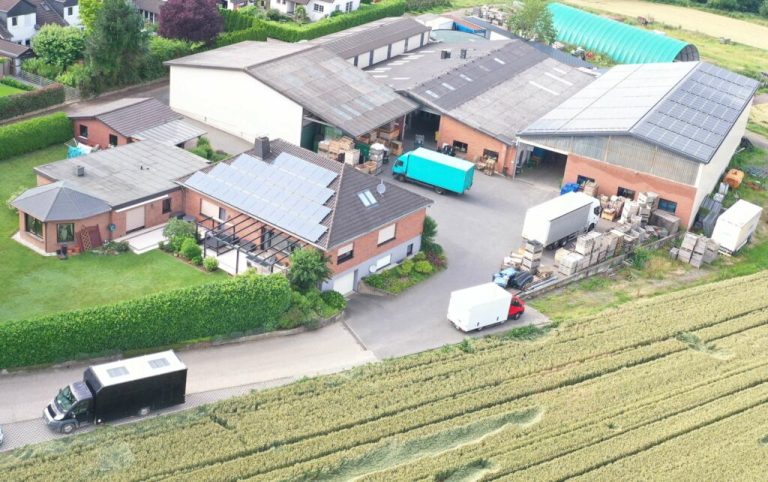
For cooperatives, growers like Florian are the proof point: digital compliance does not need to wait for 2027, and the operational benefits (in-field logging, instant traceability, less paperwork at the end of the season) start the day the app is rolled out.
Roll out one compliant tool across your membership.
Common questions
Agricultural cooperatives need to establish direct digital data access to member farm records, moving away from phone, SMS, email, or fax submissions. They need electronic two-way communication between the farm and the cooperative, digital authorisation workflows for spray approvals, and continuously updated farm records rather than quarterly submissions. Cooperatives should also define their formal responsibilities regarding compliance data quality and liability, and agree on a standard digital tool that both the farm and the cooperative use.
This article is general guidance, not legal advice. For the authoritative text, see Regulation (EC) No 1107/2009 Article 67 and Directive 2009/128/EC, and confirm national implementing rules with your member state's competent authority.