
Integrated Pest Management (IPM): Biological vs Chemical Control
Most farmers know what to do when pest pressure builds: reach for the sprayer. It's fast, predictable, and it works. But repeated reliance on chemical pesticides creates its own problems, resistance, residues, regulatory pressure, and the growing cost of inputs that need to be applied more and more often.
Biological control offers a different approach. The challenge is that "biological" often sounds like a risk, slower, less certain, dependent on things you can't always control. That hesitation is understandable. But it's also based on a false choice.
The most effective modern pest management doesn't ask you to choose between chemical and biological. It uses both, deliberately, within an Integrated Pest Management (IPM) framework.
What biological and chemical control actually mean
Chemical pest control uses synthetic pesticides to kill or repel target pests. It acts quickly, covers a broad range of pest species, and works with equipment you already have. The downsides are well documented: regular use selects for resistant pest populations, harms non-target organisms including natural predators, and carries residue and compliance implications, particularly as EU regulations tighten.
Biological pest control uses living organisms, predatory insects, parasitic wasps, microbial pathogens, to suppress pest populations. It's slower, more targeted, and more forgiving to the wider ecosystem. It works best as a preventive strategy, not an emergency response.
Both have legitimate roles. Neither is a complete solution on its own.
Why farmers are hesitant about biologicals, and why that's changing
The resistance to biological methods comes down to five things:
Uncertainty of results. Biological agents depend on ecological conditions. Their effectiveness varies with temperature, humidity, crop canopy, and the presence of other organisms.
Loss of perceived control. Chemical pesticides give you a direct lever. Biological control is more like setting up conditions, you're managing an ecosystem, not pushing a button.
Upfront economic risk. Purchasing natural enemies or adapting your management system costs money. If it doesn't work, you've lost that investment.
Time and labour. IPM requires more monitoring, scouting, threshold assessment, and threshold-based decisions rather than calendar schedules.
Fear of failure. Underlying all of it is a straightforward anxiety: crop loss, reduced yield, financial damage.
What's changed is a convergence of pressures pushing in the other direction: increasing pesticide resistance, consumer demand for lower-residue produce, tightening EU regulations, and a new generation of more reliable biological products.
How to combine both: the IPM approach
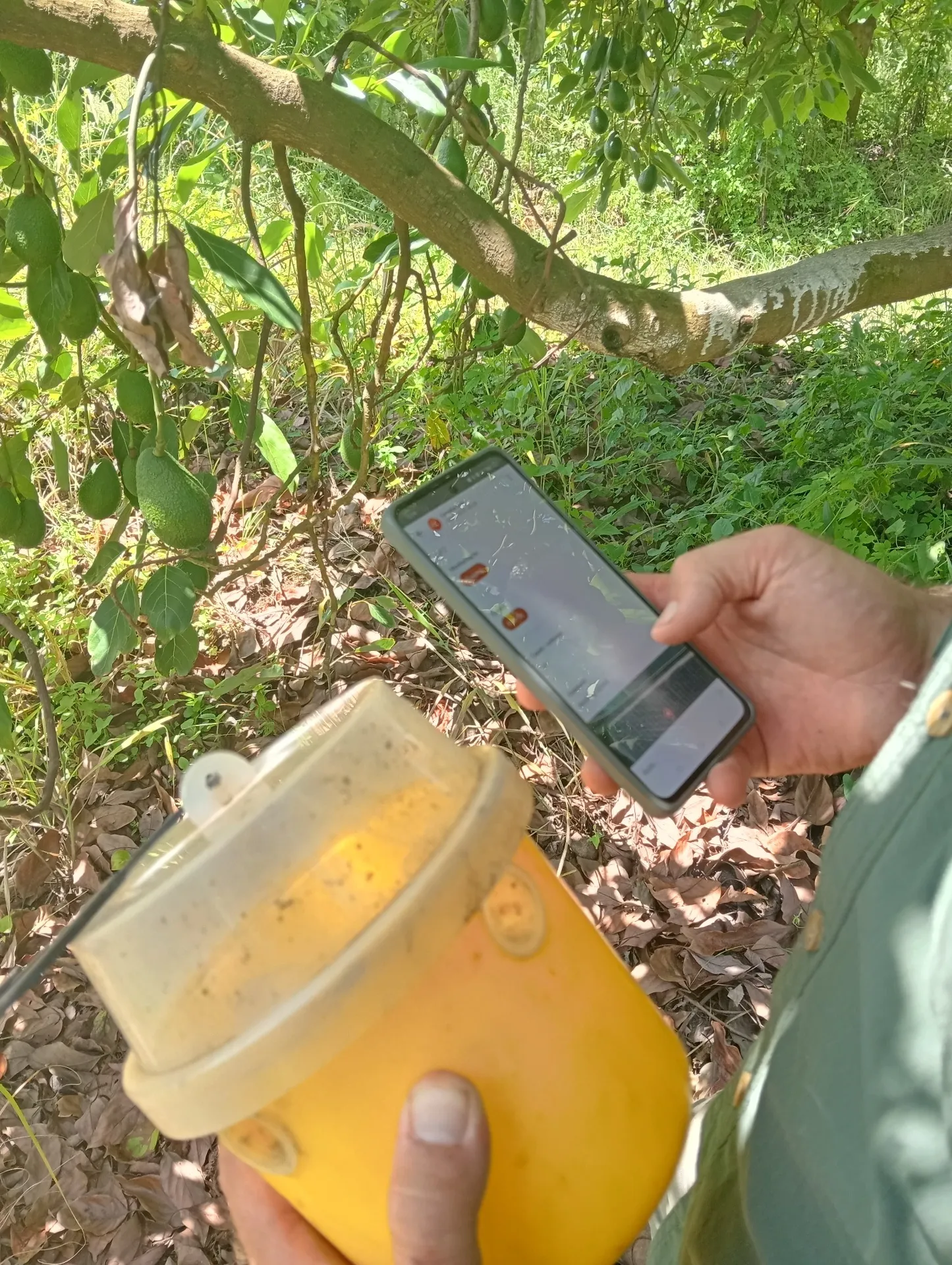
Monitor pest populations continuously. Use traps, scouting, and visual inspection to track actual pest levels. This is the foundation, without monitoring data, you're guessing.
Set economic thresholds before you need them. Determine the pest population level at which intervention becomes economically justified. Below the threshold, rely on biological and cultural controls. At or above it, targeted chemical application is warranted.
Apply chemicals selectively, not preventively. Blanket applications kill natural enemies and disrupt the biological balance. Targeted applications at the right timing preserve beneficial populations and reduce total chemical load.
Support natural enemy populations actively. Flowering plants in field margins provide food sources for predatory insects. Reduced tillage preserves habitat.
Rotate control methods. Rotating between chemical, biological, cultural, and mechanical approaches reduces the selection pressure that drives resistance.
Diversify crops where possible. Mixed cropping and diverse rotations disrupt pest life cycles and create more habitat for natural predators.
Comparing the two approaches directly
| Factor | Chemical control | Biological control |
|---|---|---|
| Speed of action | Fast, hours to days | Slow, days to weeks |
| Spectrum | Broad, many pest species | Narrow, specific targets |
| Environmental impact | Higher, residues, non-target effects | Lower, targeted, residue-minimal |
| Resistance risk | High with repeated use | Low, natural enemies adapt |
| Compliance residues | Higher in produce | Lower, better for export markets |
| Cost | Lower upfront | Higher upfront, lower long-term |
| Predictability | High | Moderate, depends on conditions |
| Best use case | Emergency intervention | Ongoing prevention |
What this means for digital record-keeping
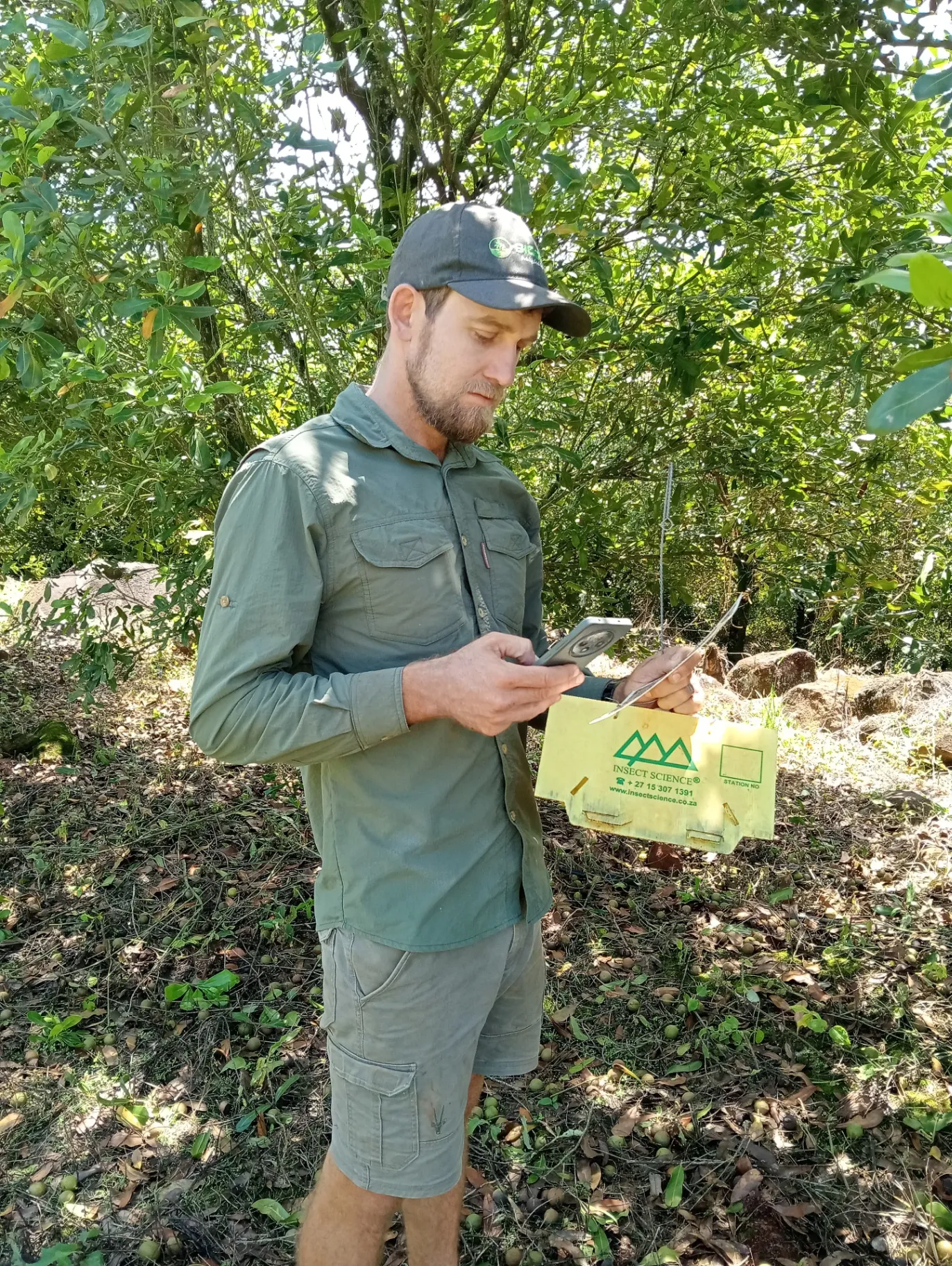
An IPM approach generates more data, and that's an advantage for compliance. Every monitoring observation, every threshold decision, every spray job and biological release creates a record that demonstrates responsible pest management.
From 1 January 2027, the EU requires all spray records to be kept digitally. Farmable logs pest observations, spray jobs, and field notes in the same app, creating the complete IPM audit trail that auditors and regulatory authorities require.
See how Farmable supports IPM: /grower/pest-management
Frequently asked questions
What is the difference between biological and chemical pest control?
Chemical pest control uses synthetic pesticides to kill or repel pests quickly and broadly. Biological pest control uses natural organisms, predators, parasitoids, or pathogens, to suppress pest populations over time. Chemical methods act faster but carry risks of resistance and environmental harm. Biological methods are slower but more sustainable and targeted. An IPM approach uses both strategically rather than choosing one over the other.
Can biological and chemical pest control be used together?
Yes, and this is exactly what IPM recommends. Biological controls work best for ongoing prevention and long-term pest suppression. Chemical controls are reserved for targeted intervention when pest populations exceed economic thresholds. Using them together reduces total pesticide use, slows resistance development, and preserves natural enemy populations.
How does IPM affect compliance with EU regulations?
IPM is increasingly embedded in EU regulatory requirements. The Sustainable Use of Pesticides Directive (SUD) requires farmers to apply IPM principles and document their pest management decisions. Digital spray records, mandatory from 1 January 2027, will need to demonstrate that chemical applications were made based on monitoring and threshold assessment, not as blanket preventive treatments.
How does digital farm management software support IPM?
Farm management apps like Farmable help growers implement IPM by logging field observations and pest scouting notes, tracking spray records against economic thresholds, accessing approved pesticide lists for their country, and generating compliance reports for GlobalG.A.P. and government authorities. Digital records also create the audit trail required under EU mandatory digital record-keeping legislation from 1 January 2027.