
What We Learned from Farmable's AI Pilot: Data Makes AI Work on the Farm
By Lars Petter Blikom
AI in agriculture has generated a lot of noise. Most of it is premature. Not because AI can't be useful on a farm, it can, but because the conversation skips over the most important prerequisite: the data that makes AI advice worth acting on.
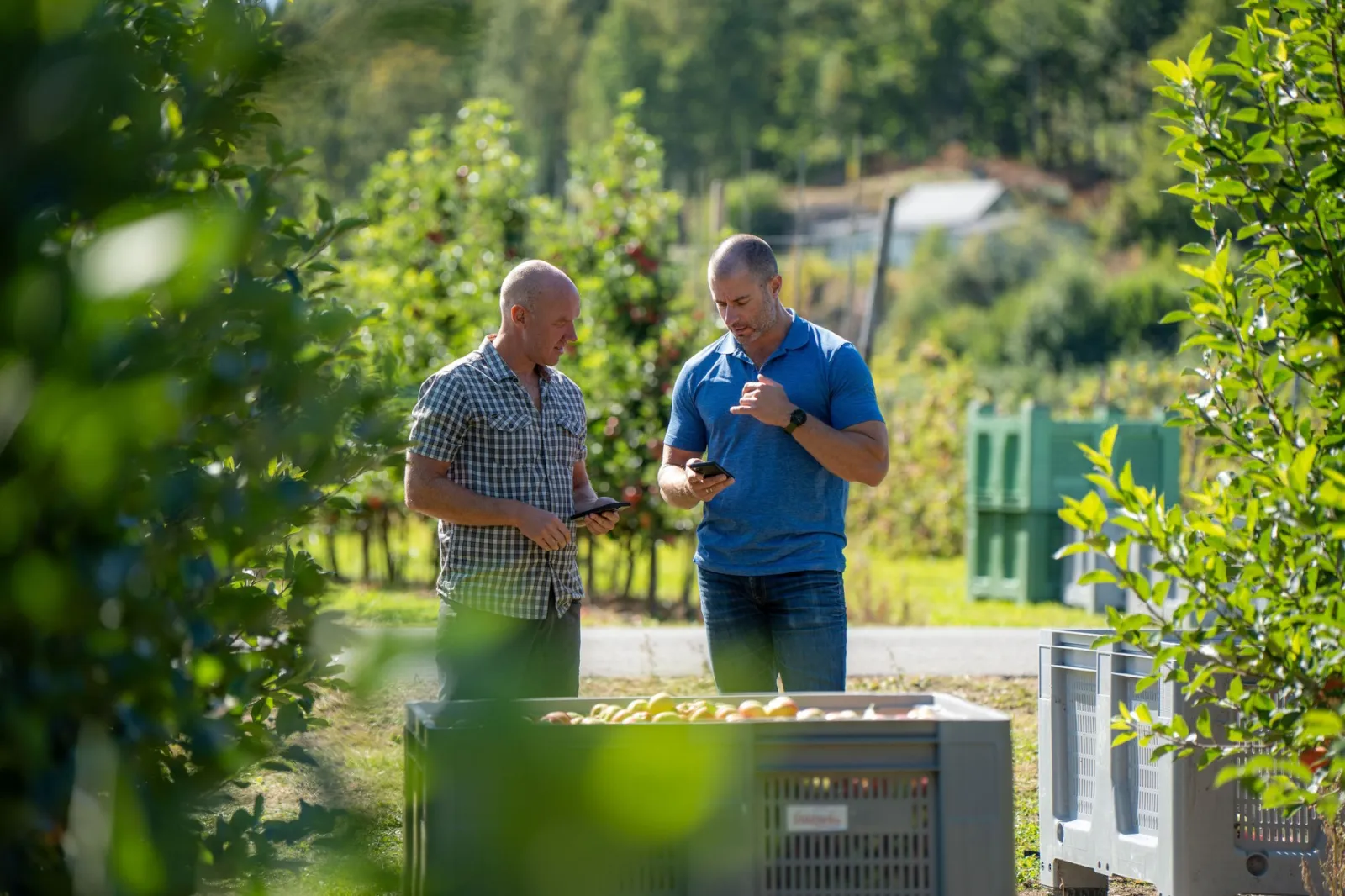
We ran a real pilot. Farmers in Norway and England tested AI-powered field notes in live conditions. The technology worked. But what we learned about data quality was more valuable than anything the AI itself produced.
What we tested
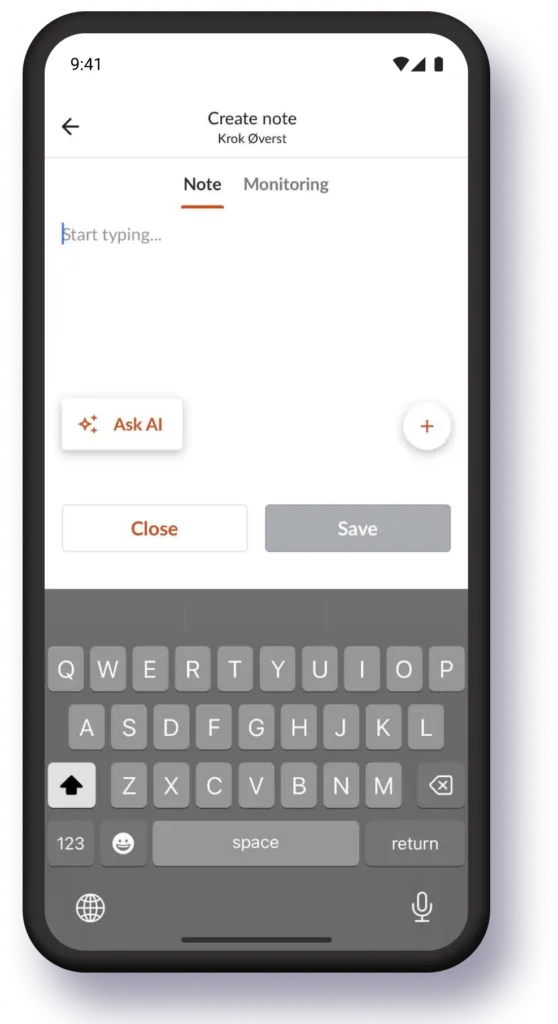
The pilot introduced AI-powered field notes to our most engaged users. The feature: take a photo of a crop observation or type a quick note, tap "Ask AI," receive an analysis cross-referenced with the field's stored history.
Three cases show what the data difference actually means.
Case 1: Photo analysis, generic vs field-specific advice
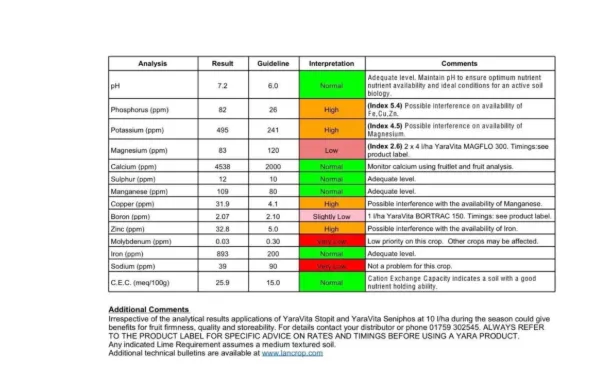
A Norwegian apple orchard. Field "Krok Øverst", 2.84 hectares of Summerred. Record yield of 113.2 tonnes in 2023. The grower noticed unusual leaves and uploaded a photo.
Without field history: "This could be pest damage, monitor for aphids."
With the field's data, magnesium deficiency logged in 2024, apple scab history, spring fertiliser of 30 kg, the response became: "Given this field's scab history and low magnesium, those yellowing leaves likely indicate nutrient stress. Consider bittersalt post-harvest and monitor scab with Rimpro."
Same photo. Completely different advice. The difference was the field history.
Case 2: Soil sample analysis
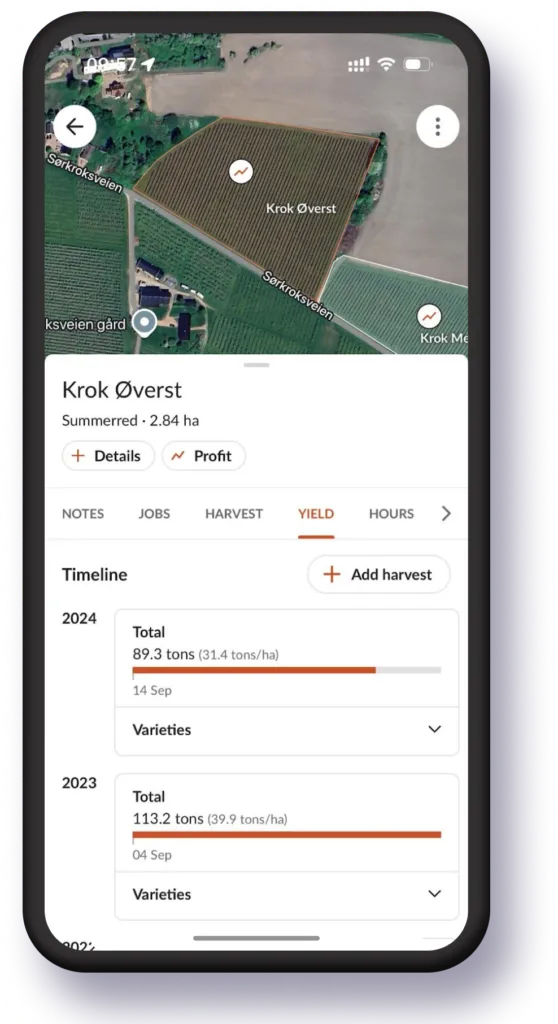
A farmer in England uploaded a Lancrop Laboratories soil report for a pear orchard, pH, phosphorus, potassium, calcium, magnesium, and micronutrient readings.
The AI matched the sample to the correct field, assessed the data against the pear crop's requirements, and cross-referenced past disease records: "Calcium levels are adequate, but magnesium is borderline, adjust inputs to support disease resistance heading into the growing season."
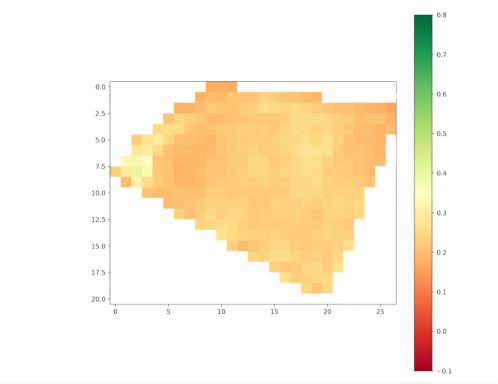
Case 3: NDVI satellite imagery
NDVI data was added for the Norwegian apple orchard. The AI linked vegetation health variation to logged fertiliser jobs and pest notes: "Consider pruning for better light penetration to reduce scab risk. The darker zones may benefit from an additional 10 kg Naraber application."
NDVI turns the AI from a point-in-time observer into something that can connect past decisions to current outcomes.
The three data pillars
- Historic field data, past harvests, pest records, spray jobs. Context that turns generic advice into field-specific advice.
- Soil samples, pH, nutrient levels, trace elements. Anchors nutritional recommendations to real conditions.
- NDVI imagery, vegetation health over time. Connects past management actions to present outcomes.
Miss one layer and the advice gets vaguer. Have all three and you move from "monitor for aphids" to "here's what to do about this specific field, based on what's already happened here."
How to use AI field notes in Farmable
- Open the app and tap "+" → Field Note
- Type an observation or upload a photo
- Tap "Ask AI", the AI analyses against the field's stored history
- The note saves automatically under the field's Notes tab, export as PDF or share via API
What this means for your farm
The farmers who will get the most from AI tools are the ones who have been logging consistently, spray records, harvest batches, field observations. The data history they've built is the foundation.
If you're not yet logging consistently, the best time to start is now. By the time AI tools become standard in your market, the value will be in the history you've accumulated.
Related reading: Farmable AI and IPM →
Frequently asked questions
What is AI-powered farm management software?
AI-powered farm management software uses artificial intelligence to analyse field data and generate specific, actionable advice for that farm. Unlike generic crop advice, AI connected to a farm's data history makes recommendations tailored to a specific field, not just a crop type in general.
What is NDVI and how is it used in farm management?
NDVI is a satellite-derived measurement of vegetation health. NDVI maps show variation in crop vigour across a field over time. When linked to spray records and pest notes in Farmable, NDVI allows AI to connect past management decisions to current vegetation health outcomes.
What data does AI need to give useful farm advice?
Three pillars: historic field data (harvests, pest records, spray jobs), soil sample results, and NDVI satellite imagery. The more complete the data, the more specific and actionable the AI advice.
How does Farmable's AI field notes feature work?
Create a field note, type an observation or upload a photo, tap "Ask AI." The AI analyses your input against the field's stored history and returns field-specific recommendations. Notes save automatically and can be exported or shared.