
Vermont apple grower saves 2-4 hours a week after ditching spreadsheets
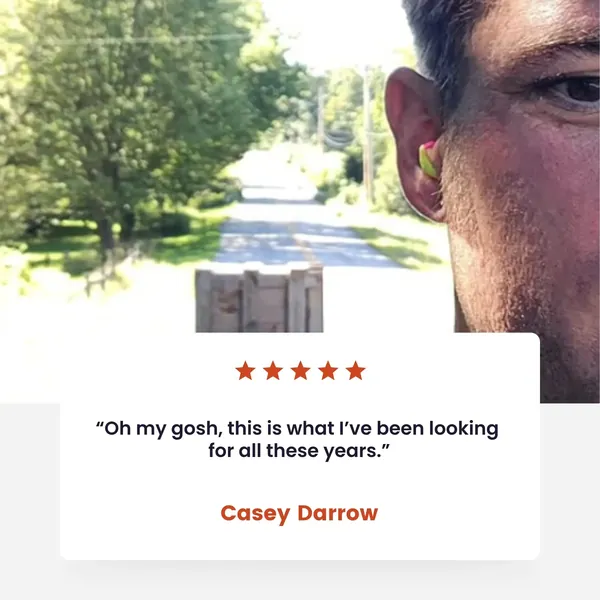
Casey Darrow manages Green Mountain Orchards, a 110-acre fruit farm in Vermont, USA, growing primarily apples and blueberries across 29 separate blocks. Before Farmable, spray record-keeping relied on a manually built spreadsheet, workable, but slow: tracking product application limits across 29 fields required counting entries by hand each time. Since adopting Farmable, Casey saves 2-4 hours of manual record-keeping per week, can query any product's application history by block and date range in seconds, and manages employee task completion from his phone in real time.
Before Farmable
Casey had been searching for a purpose-built record-keeping app for fruit growers for years, running the same Google search roughly every six months as new tools appeared. Most options he found were built for broad-acre crops like corn and soybeans, with features that had no relevance to a specialty fruit operation. One app aimed at specialty growers looked more promising, but a compliance report it generated ran to nearly 400 pages, the opposite of streamlined.
Each time, Casey returned to a spreadsheet he had built himself. It worked, but it was slow. Most pesticide and fungicide products carry limits on how many times they can be applied per acre or per season. With 29 different blocks, verifying those limits meant manually scrolling and counting rows, a task that added up to 2-4 hours of administrative work every week.
Casey found Farmable through a comment in the Next Gen Fruit Growers Facebook group. He downloaded it immediately.
I immediately downloaded it, and right away, I was like, 'Oh my gosh, this is what I've been looking for all these years'.
- Casey Darrow, Green Mountain Orchards, Vermont
How Green Mountain Orchards uses Farmable
Casey's starting point was field mapping. Using Farmable's import tool, he brought in maps of all 29 blocks directly into the platform. Each block now has its own application record, tracking pesticide and fungicide mixes, irrigation zones, and individual spray history.
The biggest daily time-saver is application querying. Rather than scrolling a spreadsheet and counting manually, Casey can filter by product, block, and date range and get an immediate answer on whether a product is approaching its use limit. What previously took significant manual effort now takes seconds.
Casey also uses Farmable for task management and labour oversight. He sets specific application tasks in the app, assigns them to individual employees, and tracks completion in real time from his phone. Previously, checking whether a spray job had been finished meant walking the farm and finding the relevant employee. Now that information is available without leaving the office.
As Casey has expanded his use of the platform, he has engaged directly with the Farmable team on feature development. When an 'alternate middle' spray pattern, where every other row is sprayed first, then the remaining rows are filled in one to two days later, was appearing incorrectly as two separate applications in the system, Casey raised it with the team. The issue was already being addressed in an upcoming update.
I emailed the team, and they told me they were already working on an update for that. Their responsiveness has been great, and it's really allowed me to finetune the platform to my operation.
- Casey Darrow, Green Mountain Orchards, Vermont
Results
About Green Mountain Orchards
Green Mountain Orchards is a 110-acre fruit farm in Vermont, USA, operated by Casey Darrow. The farm grows primarily apples and blueberries across 29 distinct blocks. More information at greenmountainorchards.com.
Compliance and record-keeping in the USA
Pesticide applicators in the USA are required under the Federal Insecticide, Fungicide, and Rodenticide Act (FIFRA) to maintain records of restricted-use pesticide applications, including the product name, EPA registration number, quantity applied, date, location, and the name of the certified applicator. Many states add further requirements for commercial fruit operations. Beyond regulatory compliance, most pesticide and fungicide labels carry hard limits on per-acre rates and seasonal application frequency, limits that must be tracked actively, not just recorded after the fact.
Farmable supports FIFRA-aligned record-keeping by logging each spray job with the product, rate, block, date, and operator. Casey uses the platform's filtering tools to query application totals by product and block, giving him a running check on seasonal limits without manual spreadsheet work.
Explore Farmable features
Try Farmable on your farm
Farmable is free to get started. No contract, no credit card required.