
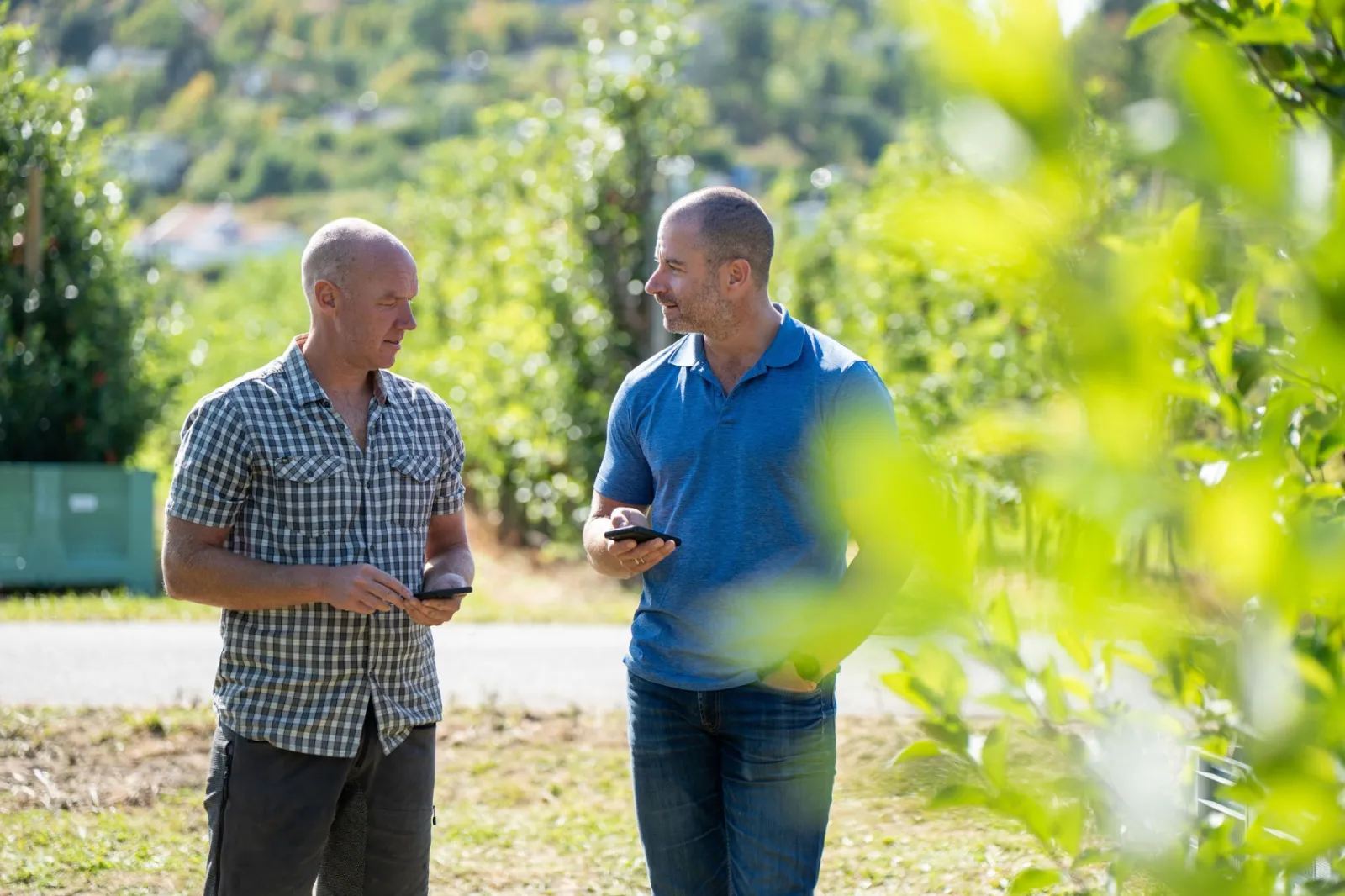
Norway is moving from paper and PDF spray journals to a fully digital submission flow. Mattilsynet handles plant protection records, and Landbruksdirektoratet handles fertilizer and soil sample data. From 1 January 2027, every relevant job has to be submitted digitally within 30 days, with the full set of required fields including the crop's EPPO code and BBCH growth stage.
Voluntary digital submission has been live since 1 May 2026, which means the 2026 season is your transition year. The growers who use it to set up the product library, test the BankID connection, and run a few jobs end-to-end will not notice a change in their workflow when the rule turns on. This guide walks through what changes, what is required in each record, and how to prepare without adding admin to your week.
- Who: Every Norwegian farm carrying out plant protection or fertilizer applications, no minimum size
- What: Digital submission of spray journals to Mattilsynet and fertilizer journals to Landbruksdirektoratet, including soil sample locations
- When: Mandatory from 1 January 2027, voluntary submission live since 1 May 2026
- Deadline per job: Submission within 30 days of the work being carried out
- New fields from 2027: EPPO crop code and BBCH growth stage on every spray record
The timeline
Two dates matter, and the gap between them is your runway.
- 1 May 2026, voluntary submission live. You can already send spray journals digitally. Use this period to get comfortable with the flow without any risk if a job does not make it through on the first try.
- 1 January 2027, mandatory. All spray and fertilizer journals must be submitted digitally, including soil sample locations.
- 30-day window per job. Each journal must arrive within 30 days of the work being carried out, not at the end of the season.
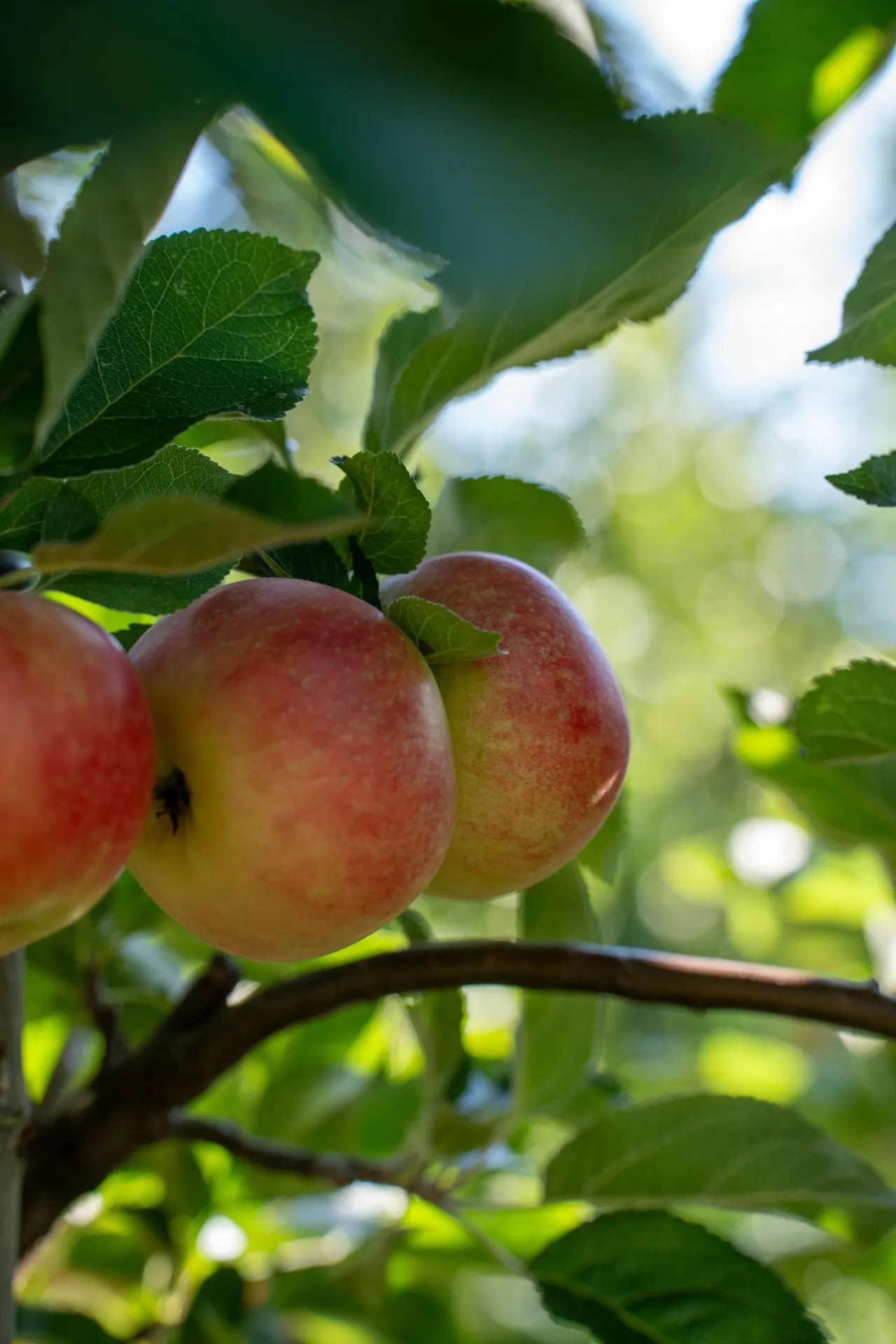
What has to be in a spray record
The Mattilsynet spray journal needs the full picture of the treatment, who, where, what, why, and with what equipment. Every record must include:
- Date and time of the application
- Field geoshape, the mapped boundary of the field treated
- Crop or culture
- Reason for the treatment
- Products used, with their official registration number
- Equipment or machinery
- Person responsible
- EPPO code, the international identifier for the crop, new from 2027
- BBCH code, the growth stage at the time of treatment, new from 2027
Farmable fills the EPPO and BBCH codes in automatically from the registered crop, so they are not a new field to remember in the field, they are derived from data the app already holds.
What has to be in a fertilizer record
Fertilizer journals go to Landbruksdirektoratet and use a slightly shorter set of fields, but the same 30-day submission window applies:
- Date and time of the application
- Field geoshape
- Crop or culture
- Fertilizer type and quantity
- Equipment or machinery
- Person responsible
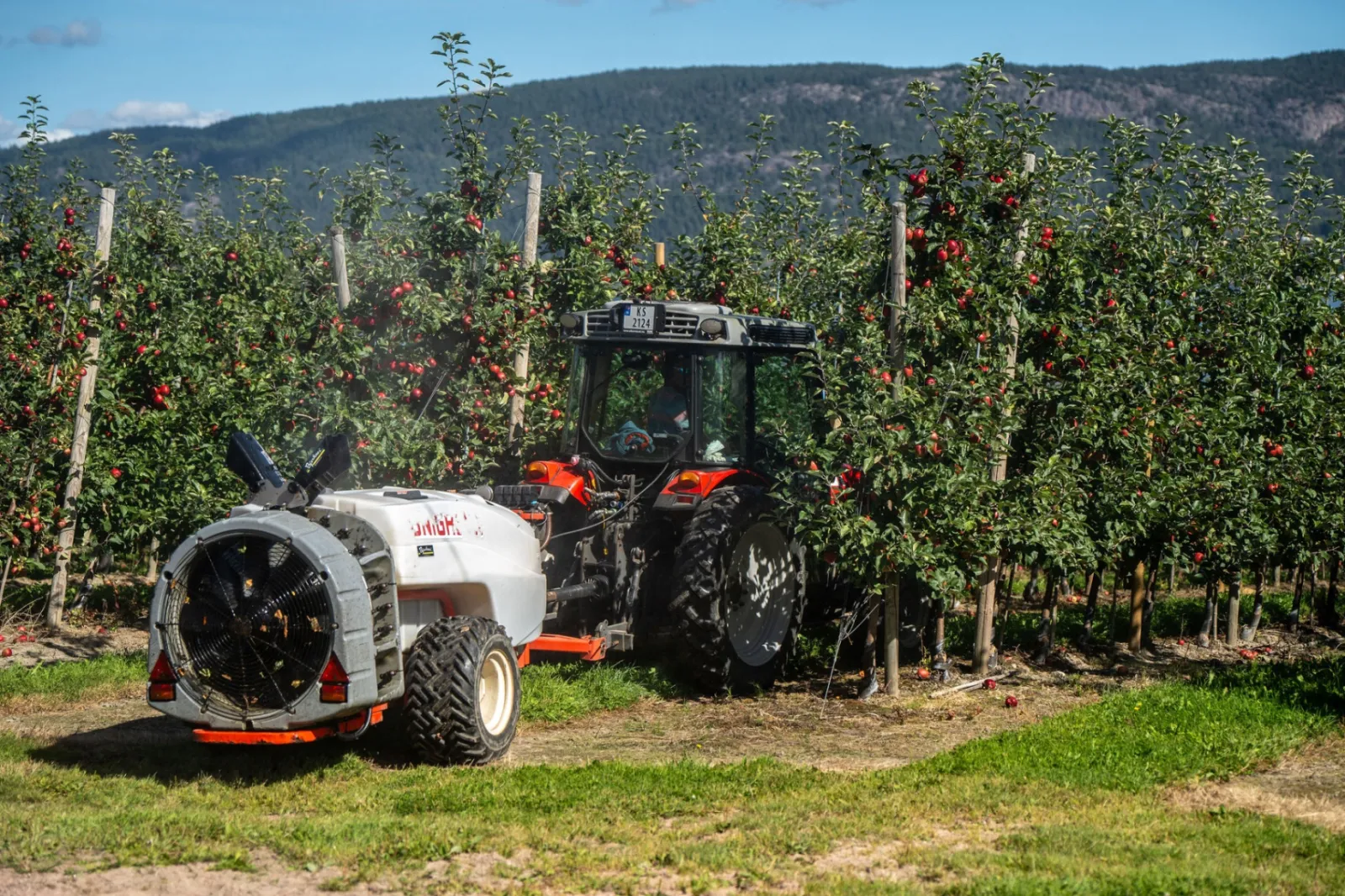
Soil samples are part of the rule
From 1 January 2027, soil sample locations must also be submitted digitally. The workflow is straightforward:
- Take physical soil samples and label each box with a unique ID.
- Log the locations in Farmable as a multi-location job, with the same ID on the field marker as on the box.
- Send the samples to a lab such as Eurofins for analysis.
- Upload the lab report back into Farmable. The IDs match the logged locations automatically and the data is forwarded to Landbruksdirektoratet.
- Use the analysis to build a fertilizer plan in your tool of choice, then import the plan back into Farmable as recommended fertilizer jobs with quantities per product.
Three steps from paper to Mattilsynet
The submission flow itself is built around three things, set up once and the rest happens on the back of normal jobs.
1. Product library from the official Mattilsynet list
Pick the products you use from Mattilsynet's official list inside the product library. The registration number is then attached to every spray job automatically, so the report is accepted on submission. Free-typed product names will not pass the validation.
2. Data sharing authorised with BankID
Connect to Mattilsynet with BankID and consent, once. From then on, every relevant job carries a submission status, and there is no separate login or export step at the end of the day.
3. Submission happens on the job itself
Spray jobs are submitted automatically and the status is shown on the job in the app. You can see at a glance what has been sent, what is queued, and what needs attention, without leaving the screen you already use to plan the week's work.
The registration number must be on every product
Without the registration number, Mattilsynet will not accept the report. Always pick products from the official list in the library, the number is carried into the journal automatically.
Why use 2026 as your transition year
The 2027 rule does not change the work in the orchard, it changes how the records leave the farm. The growers who treat 2026 as a transition season tend to share three habits:
- Set the product library up once. Picking products from the Mattilsynet list takes minutes, and it is the single thing that decides whether reports are accepted.
- Submit a handful of jobs voluntarily. You see the full flow with low stakes, including BankID and submission status, before it matters.
- Map your fields with proper geoshapes. Field maps are the foundation of every record, the same boundary feeds spray, fertilizer, soil samples, and any future harvest record.
How Farmable handles it
Farmable is built around one principle, capture the job once where the work happens, then let the data flow into every report that needs it. For Norwegian growers that means:
- Product library connected to the official Mattilsynet list with registration numbers attached
- EPPO and BBCH codes filled in automatically from the registered crop
- BankID-authorised data sharing with Mattilsynet, set up once
- Submission status visible on every spray and fertilizer job
- Multi-location soil sample workflow with ID matching to lab analysis reports
- Field geoshapes that feed every record, no double entry across spray, fertilizer, and harvest
Start submitting digitally now, before it is a requirement.
Common questions
From 1 January 2027, all spray and fertilizer journals must be submitted digitally to Mattilsynet and Landbruksdirektoratet within 30 days of the job being carried out. Voluntary digital submission has been live since 1 May 2026, so you can use the 2026 season to set up your product library and get comfortable with the workflow before it becomes a requirement.
Related reading
- EU Digital Record Keeping for Farms (2027)
- Spray & Compliance in Farmable
- Soil Sampling & Fertilization Plans
This article is general guidance, not legal advice. For the authoritative text and current requirements, see the official guidance from Mattilsynet and Landbruksdirektoratet.